

Beratung und Services rund um Microsoft Unternehmenssoftware & Microsoft Cloud
Die Dynamics Consulting GmbH ist seit vielen Jahren Microsoft Gold Partner. Unsere Mitarbeiter verfügen über eine hohe Expertise und Zertifizierungen, um Sie umfassend in Bezug auf Microsoft-Lösungen im Dynamics 365 und Microsoft 365 Cloud Management beraten zu können.
Unsere Leistungen:
Business Hosting für den Mittelstand
Private Cloud Datacenter Deutschland
Microsoft Public Cloud Management
Virtual Server & Private Business Clouds
Microsoft Lizenz Beratung
VPN & Standortvernetzung
D365 DSGVO Toolkit
D365 CPQ & Advanced Quoting
D365 Document Capture
D365 Webtracking
SnapADDY Dataquality
D365 SAP Schnittstelle
D365 Business Central Schnittstelle
D365 ANY ERP Schnittstelle
D365 Webshop Schnittstelle
D365 DATEV Schnittstelle
D365 Cloud Gateway
D365 Data Migration Toolkit
CRM Strategie Beratung
CRM Analyse und Konzeption
Dynamics 365 CRM Implementierung
Anpassung & Entwicklung
Datenintegration & Migration
Go-Live & HyperCare Support
Training & Support

Power BI & Dynamics 365 Integration
Power BI Reports
Power BI Dashboards
Power BI – Marketing Dashb.
Power BI – Sales Dashboard
Power BI – CEO Dashboard
Power BI – KPI Overview
Warum Dynamics Consulting?
100% Dynamics 365 & Microsoft Cloud Fokus
Microsoft Gold Partner
12 Jahre Erfahrung & 175 Projekte
Application-Betrieb in 17 Ländern
Wir empfehlen nur das, was wir auch selbst nutzen.
Eigene Add-on Lösungen für Dynamics 365 CRM
Haben Sie Fragen?
Wir helfen Ihnen gerne weiter. Rufen Sie uns an!
Ihre individuelle Erstberatung – unverbindlich und kostenlos.

Christian Häring, Dynamics 365 Architect
Sie wünschen einen Rückruf? Gerne.
Gemeinsam finden wir das richtige Konzept für Ihre individuellen CRM- & ERP-Anforderungen. Wir freuen uns über eine E-Mail oder einen Anruf von Ihnen!
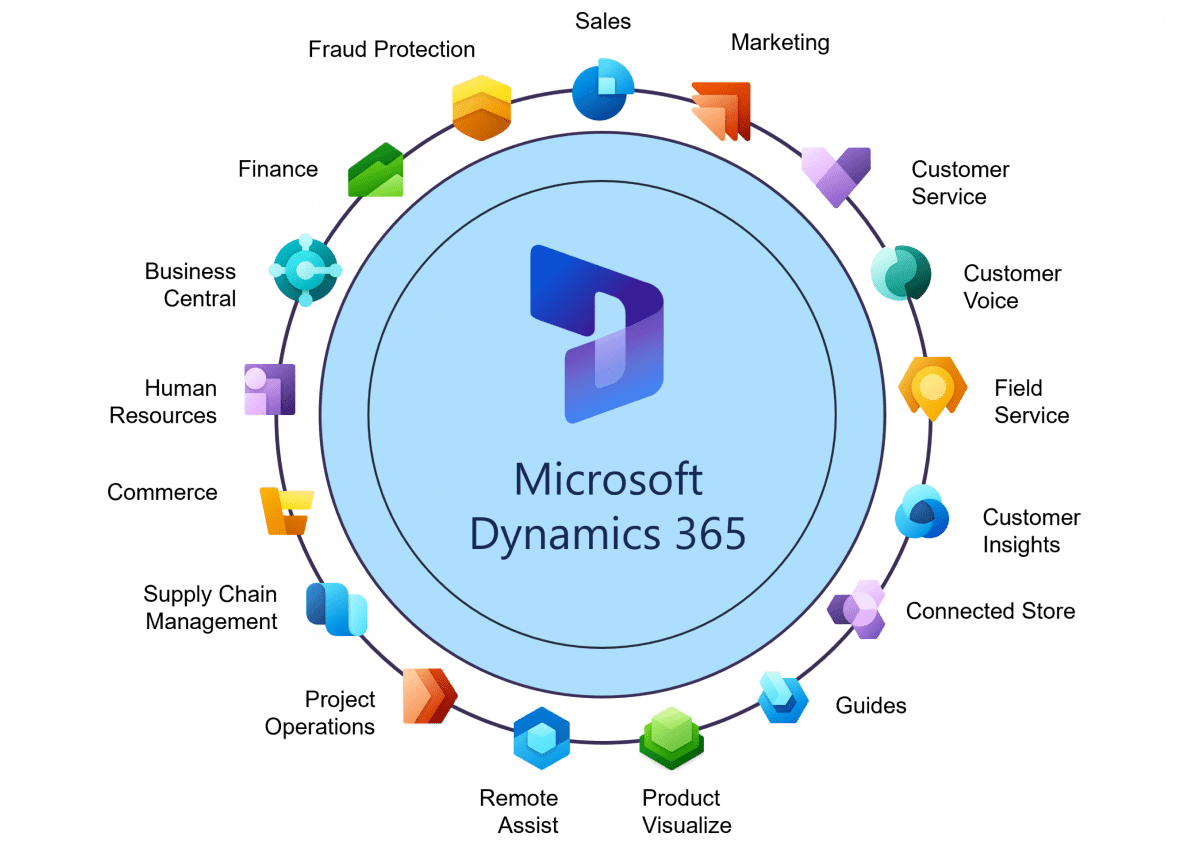
Wie wäre es, wenn es eine Software-Plattform für alle Business-Anwendungen geben würde?
Schluss mit Software-Insellösungen und Datensilos. Microsoft Dynamics 365 bietet Ihnen ein komplettes Ökosystem mit allen relevanten Business-Anwendungen und einer einheitlichen Datenbasis.
Vernetzen Sie Ihre Unternehmensprozesse. Automatisieren Sie abteilungsübergreifende Workflows. Steigern Sie Ihre Effizienz. Und: profitieren Sie von einer weltweit einmaligen Agilität.
Microsoft Dynamics 365 ist die ideale Plattform für alle Ihre Digitalisierungsprojekte.
Unsere Vision & Mission – Warum Dynamics Consulting
Wir digitalisieren Ihre Geschäftsprozesse mit Microsoft Dynamics 365 und einer ordentlichen Portion Erfahrung. Denn wir lieben großartige Ergebnisse.
Wir sind Ihr Microsoft Gold Partner für die digitale Transformation. Als einer der führenden Integrationspartner für Microsoft Dynamics 365 bieten wir Ihnen nicht nur CRM- & ERP-Lösungen, sondern ganzheitliche Lösungen auf Basis weiterer Microsoft Cloud Produkte an.
Vor welcher Herausforderung Sie auch stehen: Mit dem Wissen und der Erfahrung aus 12 Jahren Microsoft Dynamics 365 und mehreren 100 Projekten, realisieren wir für Sie nachhaltige Lösungen, die Sie wirklich voranbringen. Und das mit persönlicher Beratung auf Augenhöhe!
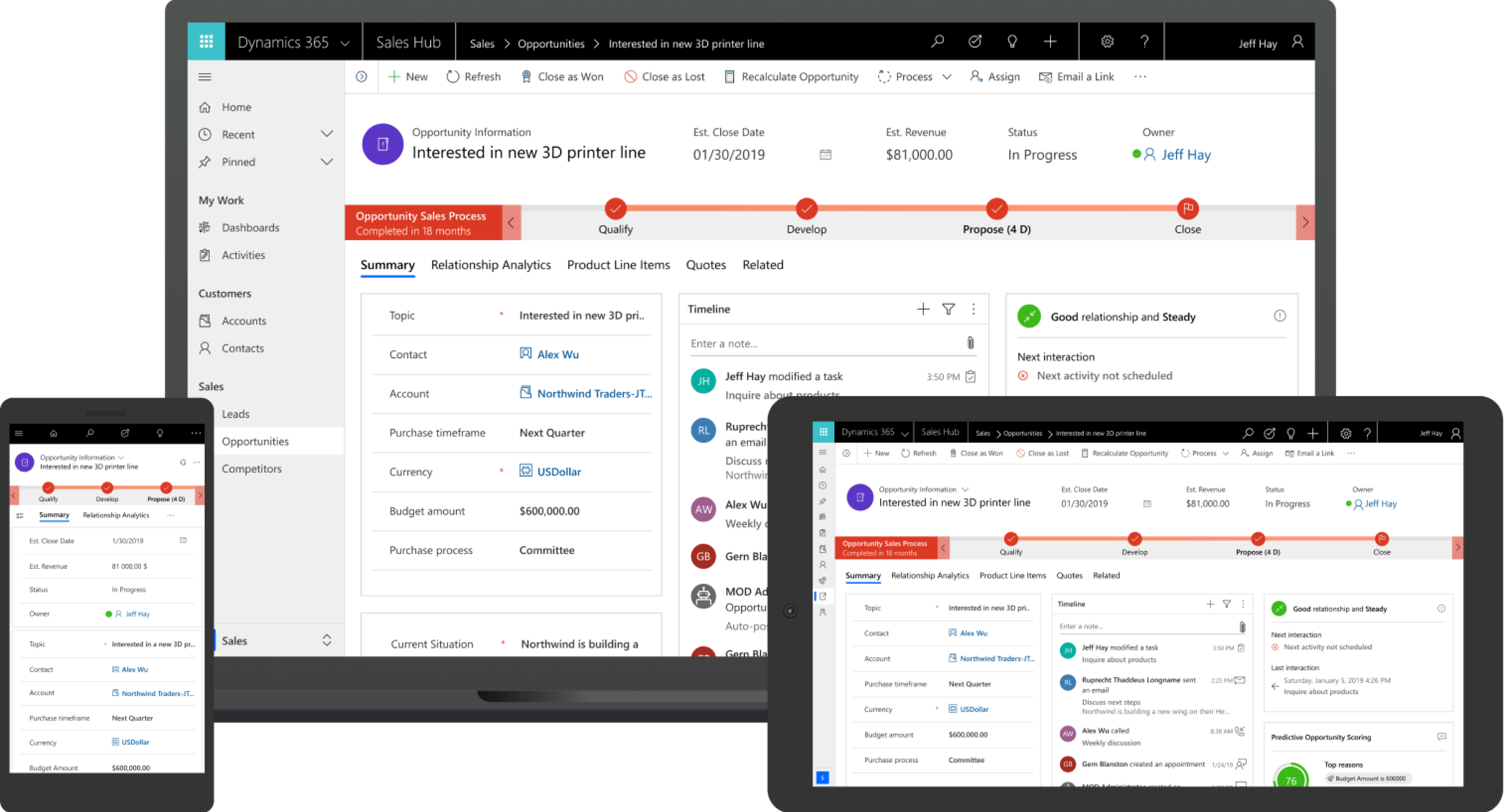
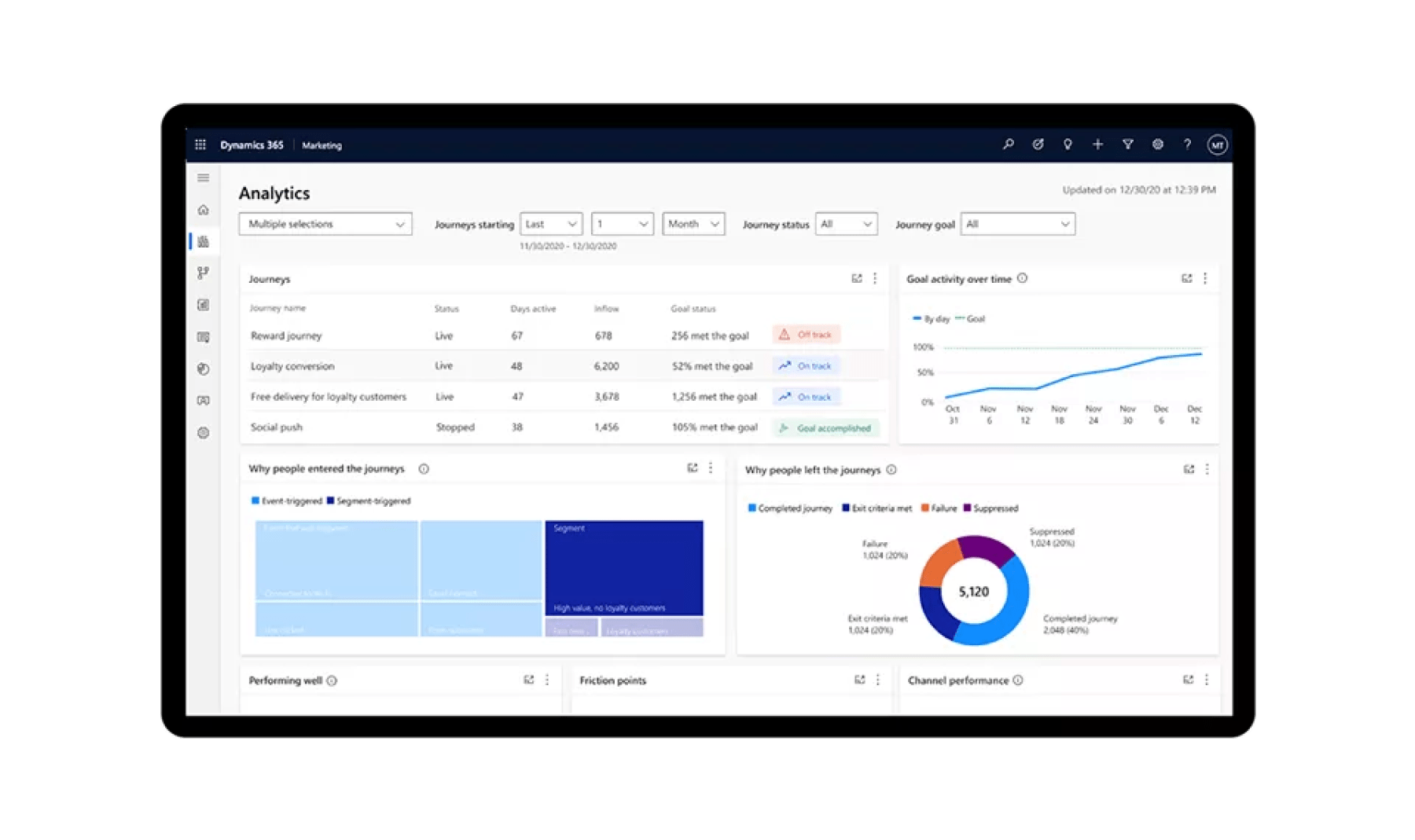
Einblicke in Dynamics 365
Dynamics 365 CRM Referenzen
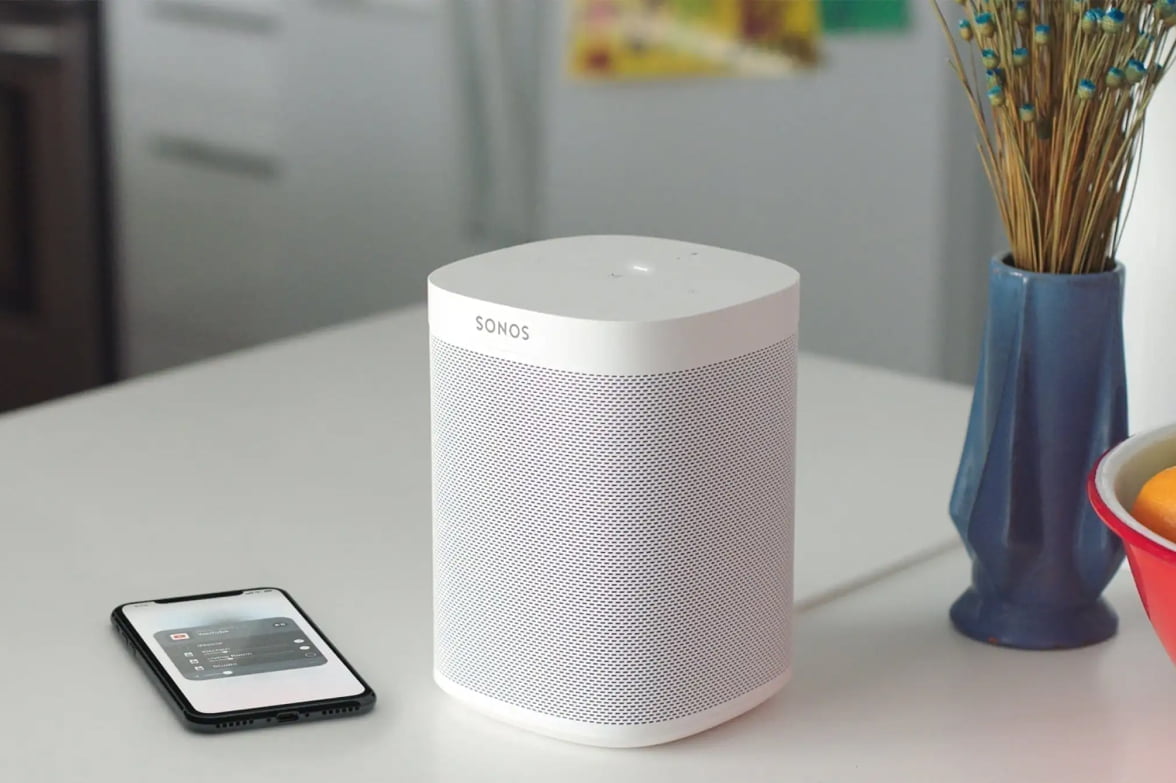
SONOS realisiert mit uns, auf Basis von Microsoft Dynamics 365 Sales und Field Service, eine umfassende Dealer-Management Lösung mit Echtzeitverkaufszahlen der einzelnen Händler und Inhouse Store Management.

Mittelstand, Dynamics 365 Sales, Dynamics 365 Field Service

Ein Kunde im Bereich Ärztefortbildung realisiert mit uns, auf Basis von Microsoft Dynamics 365, Sales, Marketing und Finance Automation, eine umfassende Eventmanagement- und Sales-Lösung inkl. Angebots-, Auftrags- und Abrechnungsmanagement.
Kleinunternehmen 40 Mitarbeiter, Dynamics 365 Sales, Marketing, Finance Automation

Ein Kunde aus dem Bereich Fahrsicherheitstraining realisiert mit uns, auf Basis von Microsoft Dynamics Sales und Eventmanagement, eine umfassende Lösung inkl. Angebots-, Auftrags- und Abrechnungsmanagement, einschließlich Integration der Kassensysteme und des ERPs.
Großunternehmen
Dynamics 365 Sales, Marketing, Finance Automation
Kostenlose Erstberatung vereinbaren
Wir bieten Ihnen eine individuelle Erstberatung:
Ermittlung des Status Quo
Teilen von Erfahrungswerten
Lösung von kleinen Hindernissen im Erstgespräch
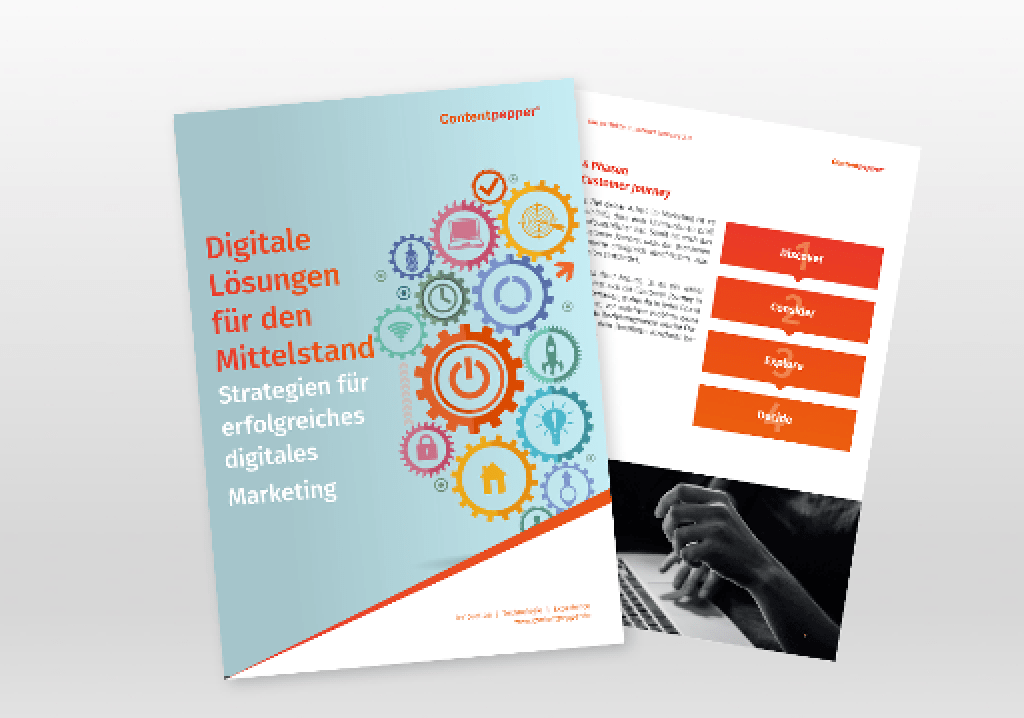
Dynamics 365 Whitepaper downloaden
Erfahren Sie mehr über die Dynamics 365 Praxisbeispiele:
Sales Prozessbeispiele aus Referenzprojekten
CRM Best-Practice Beispiele aus der Praxis

Dynamics 365
Newsletter Anmeldung
Haben Sie weitere Fragen?
Wann ist die Dynamics Consulting GmbH der perfekte Microsoft Partner für Sie?
Als Dynamics 365 CRM Implementierungspartner können wir Ihnen zahlreiche Vorteile bieten, um sicherzustellen, dass Ihre Implementierung reibungslos verläuft und Ihren Geschäftsanforderungen entspricht.
Wir haben umfassende Erfahrung in der Implementierung von Dynamics 365 CRM-Lösungen und verstehen die spezifischen Anforderungen und Herausforderungen, mit denen Unternehmen jeder Größe und Branche konfrontiert sind. Wir können Ihnen dabei helfen, eine maßgeschneiderte Lösung zu entwickeln, die perfekt auf Ihre Bedürfnisse abgestimmt ist.
Was die Kernkompetenzen der Dynamics Consulting GmbH sind
Die Dynamics Consulting GmbH ist seit vielen Jahren Microsoft Gold Partner. Unsere Mitarbeiter verfügen über eine hohe Expertise und Zertifizierungen, um Sie umfassend in Microsoft-Lösungen im Bereich Microsoft Dynamics 365 und Microsoft 365 Cloud Management zu beraten.
Wir bieten einen Rundum-Service für Microsoft Dynamics CRM mit folgenden Modulen:
Dynamics 365 CRM Marketing
Dynamics 365 CRM Sales
Dynamics 365 CRM Service
Dynamics 365 CRM Field Service
Dynamics 365 CRM Project Service
Dynamics 365 Customer Insights
und Public & Private Cloud-Datacenter-Services wie z. B:
Microsoft Public Cloud Management
Microsoft 365
Microsoft Lizenz Beratung
Private Cloud Datacenter Deutschland
Server Outsourcing
Virtual Server & Private Business Clouds
VPN & Standortvernetzung
Wann sollte ich mich für Microsoft Dynamics 365 und Microsoft Cloud Produkte entscheiden?
Microsoft Dynamics 365 und Microsoft Cloud-Produkte sind die perfekte Wahl für Unternehmen, die eine effektive, skalierbare und flexible Lösung für ihre Geschäftsprozesse benötigen.
Mit Dynamics 365 können Sie Ihre Geschäftsprozesse automatisieren und optimieren. Die Suite bietet umfassende Anwendungen für Vertrieb, Marketing, Kundenservice, Finanzen und Betrieb, die speziell auf die Bedürfnisse von Unternehmen jeder Größe und Branche zugeschnitten sind. So können Sie sicher sein, dass Dynamics 365 perfekt auf Ihre Anforderungen abgestimmt ist.
Dynamics 365 ist eine cloud-basierte Lösung, die Ihnen den Zugriff auf Ihre Geschäftsdaten von überall aus ermöglicht. So können Sie schnell und einfach auf wichtige Informationen zugreifen und Entscheidungen treffen. Darüber hinaus bietet Dynamics 365 umfassende Analysen und Berichte, die Ihnen dabei helfen, fundierte Entscheidungen zu treffen und Ihre Geschäftsprozesse zu optimieren.
Die Microsoft Cloud-Produkte bieten Ihnen eine zuverlässige und sichere Cloud-Plattform, um Ihre Geschäftsprozesse zu unterstützen und zu optimieren. Mit Infrastruktur, Plattform und Software as a Service (IaaS, PaaS und SaaS) können Sie sicher sein, dass Sie die richtige Lösung für Ihre Bedürfnisse finden.
Wenn Sie sich für Dynamics 365 und Microsoft Cloud-Produkte entscheiden, profitieren Sie von zahlreichen Vorteilen. Sie können Ihre Geschäftsprozesse automatisieren und optimieren, was Zeit und Geld spart. Sie haben jederzeit Zugriff auf wichtige Informationen und können Entscheidungen schnell und fundiert treffen. Darüber hinaus sind Sie mit Microsoft Cloud-Produkten auf der sicheren Seite, da Sie eine zuverlässige und sichere Cloud-Plattform nutzen.
Wenn Sie also eine effektive, skalierbare und flexible Lösung für Ihre Geschäftsprozesse suchen, dann entscheiden Sie sich für Dynamics 365 und Microsoft Cloud-Produkte. So können Sie sicher sein, dass Sie die richtige Lösung für Ihr Unternehmen gefunden haben.
Diese Module umfasst die Unternehmenssoftware Microsoft Dynamics 365
Microsoft Dynamics 365 umfasst die Module CRM & ERP. Die CRM Module und ERP Module teilen sich dabei in einzelne Untermodule auf, wie beim Dynamics CRM z. B. in die Module Marketing, Sales etc.